
Reduce stock variance with better retail visibility.
Learn how connected POS and inventory workflows can help retailers reduce stock variance and improve inventory accuracy.

Bring inventory accuracy into the same retail operating system.
OptaPOS connects this capability with sales, products, customers, inventory and reporting so teams can work from one platform instead of moving between disconnected tools.
Track stock movement
Keep the workflow practical for everyday retail teams while management information stays connected behind the counter.
Improve receiving discipline
Give authorized users better visibility and control without adding unnecessary steps to routine operations.
Review location variance
Use the same underlying retail data to support more consistent decisions and customer service.
Multi-location ready
Extend supported workflows across branches while keeping a more centralized management view.
Connected reporting
Keep useful operational and sales information closer to the same platform used for day-to-day work.
Built for UAE retail
OptaPOS combines cloud access, bilingual capability and retail-focused configuration for UAE businesses.
Designed to support the workflow, not make it more complicated.
The value of inventory accuracy comes from how well it fits the rest of the retail operation. OptaPOS is designed around using connected sales and inventory data to reduce avoidable discrepancies.

Keep everyday work and management insight on the same platform.
When billing, stock, customers and reporting share the same system, teams spend less time reconciling separate tools and managers get better context for decisions.
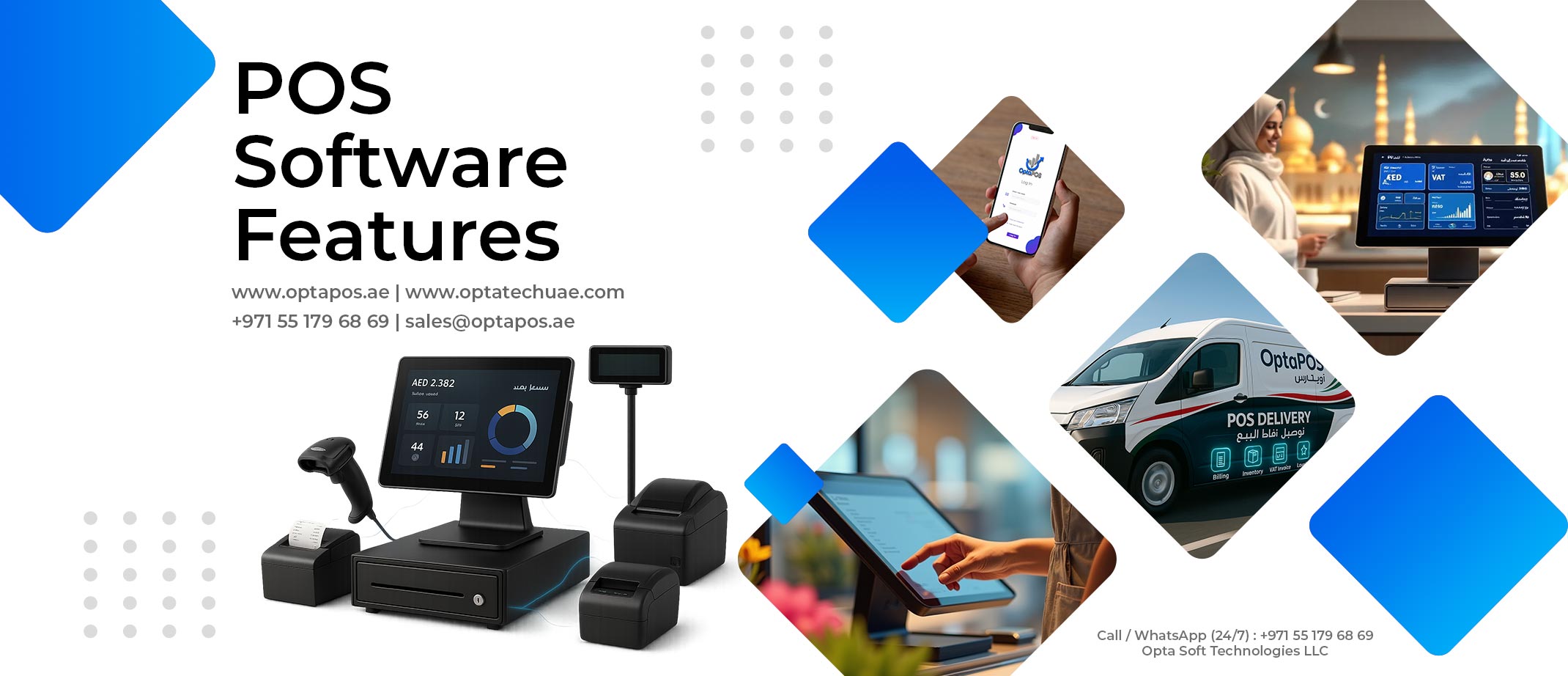
Use the capability you need without losing the bigger business view.
OptaPOS is built as a broader retail platform, so inventory accuracy can work alongside checkout, stock, purchasing, customers, staff controls and reporting as the business evolves.
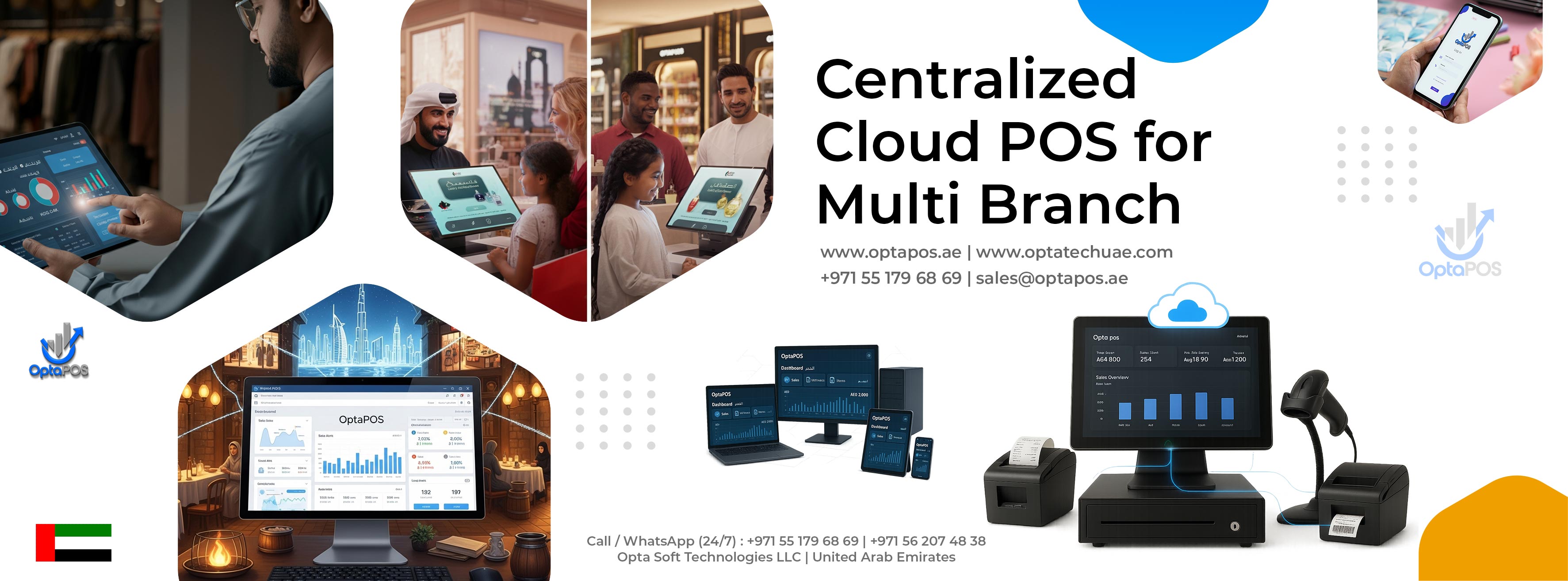
Inventory Accuracy should fit naturally into the way your business operates.
Learn how connected POS and inventory workflows can help retailers reduce stock variance and improve inventory accuracy.
Rather than treating this as a separate tool, OptaPOS connects it to the wider retail operation so information can remain useful from the sales counter through to management review.
Inventory Accuracy, explained.
Is Inventory Accuracy available in OptaPOS?
OptaPOS includes capabilities designed around more accurate stock records and clearer inventory movement. Exact setup can depend on the retail workflow and configuration required.
Can this work for a single store and multiple branches?
Yes. OptaPOS is designed for single-store retail and can also support centralized multi-location operations.
Is OptaPOS cloud based?
Yes. OptaPOS is a cloud retail platform designed to give authorized users access to supported business information across devices and locations.
Can I book a demo before deciding?
Yes. You can book a live demo to review the relevant workflow and discuss how it fits your retail operation.
Build a smarter retail operation with OptaPOS.
Tell us about your business and see how OptaPOS can fit your stores, products and workflows.